

- Choose your route: The Central Coast is a slow-paced, food-centric route, while the Pacific Coast is a sunnier, tropical, active road trip route.
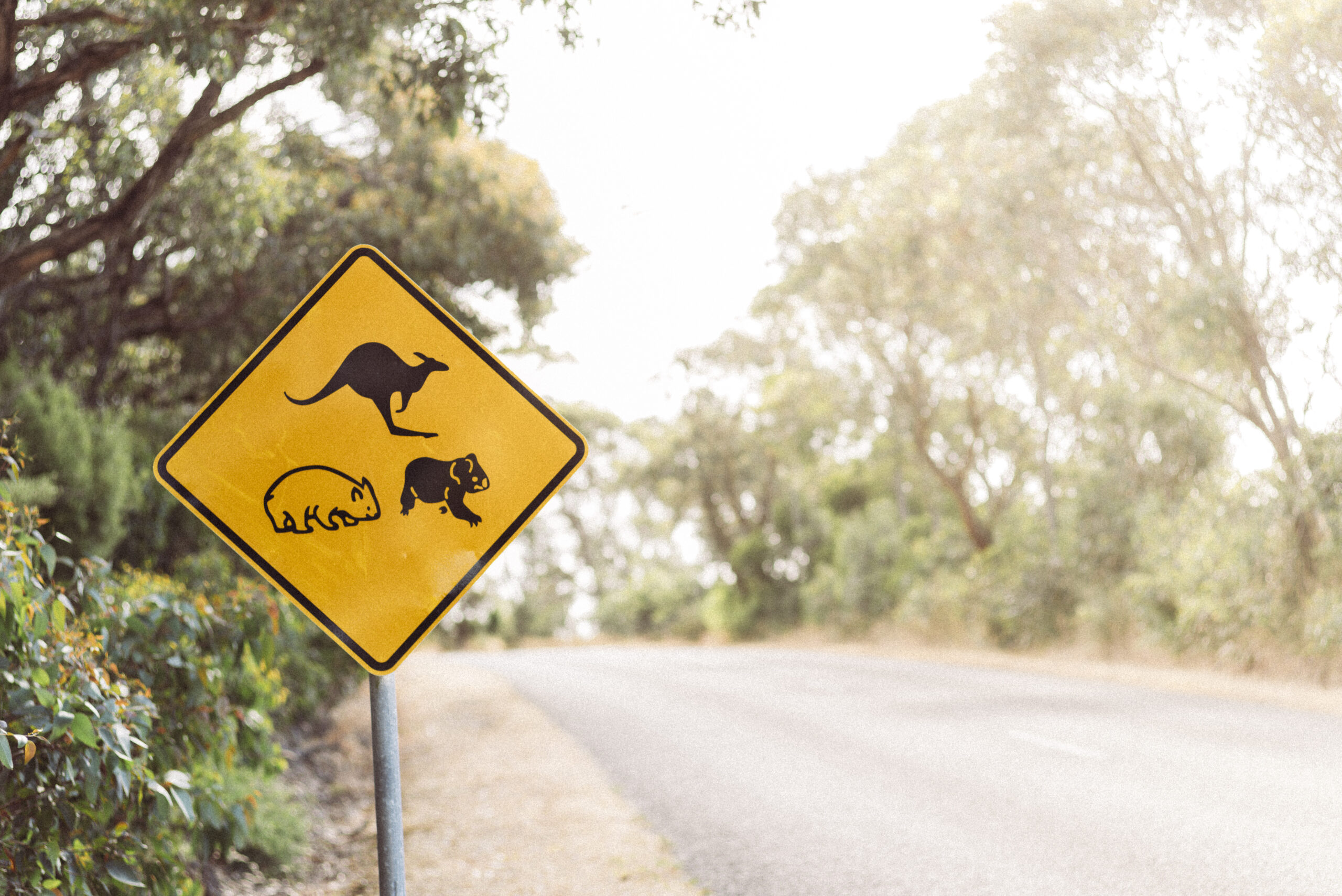
- Time the trip with the wildlife: Avoid travelling when wildlife is most active and check potential hazards with the official Live Traffic NSW app.
- Booking and logistics tips: Download offline maps and calculate your fuel windows.
New South Wales is home to a wide range of diverse landscapes. You’ve got winding, dramatic coastal bridges that give way to rugged, high-altitude alpine peaks, and everything in between. But for the perfect driving trip, you have to know how to stay ahead of regional seasonal shifts. Then there’s wildlife to contend with, and staying safe and fuelled in remote regions. So let’s take a look at everything you need to know for your NSW road trip.
1. Choose your route
New South Wales has so much to offer, but there’s only so much you can see in one trip. Which route will you choose?
The Central Coast
A slow-paced, historic, and culinary-focused route, the Sydney to Dubbo and Mudgee trail takes you from the ocean to historic stone architecture, wide farm country, and boutique vineyards alike.Â
Start off climbing over the steep, dramatic sandstone escarpments of the Blue Mountains, marvelling at Katoomba’s Three Sisters rock formation, before you drop down into wide, golden outback plains and lush, cool rainforest valleys.
The Mudgee Wine Region is perfect for foodies. It has a historic town centre with 19th-century buildings and over 40 boutique, family-run cellars. Bold reds are the region’s speciality.
Moving on, Dubbo is the gateway to the True NSW Outback. One highlight is the sprawling Taronga Western Plains Zoo, where you can have fun riding safari carts or bicycles around the paddocks.
Stop off at NRMA Ocean Beach Holiday Resort, a Broken Bay site, with gorgeous caravan and camping sites, many overlooking the nearby beach.
The Pacific Coast
This Sydney to Byron Bay Route is sun-drenched, tropical, and active. It’s the quintessential Australian beach trip.
Port Stephens is dominated by Stockton Sand Dunes, a desert-like place where you can even try sandboarding! Then there’s the beautiful coastal Port Macquarie, with its famous Koala Hospital, where you can see rehabilitation work.
At Coffs Harbour, you can pull over for a photo at the Big Banana before heading inland to Dorrigo National Park’s misty, ancient waterfalls. Next up is Byron Bay, famous for its anything-goes surf culture, boutique shopping, and the iconic Cape Byron Lighthouse, a long walk to the easternmost point of mainland Australia.
When you’ve made it to Coffs Harbour, clock off at the Reflections Coff Harbour Holiday Park. This is a particularly decadent campsite, with its prime beachside location, on-site café, and fully equipped open-plan camp kitchens, plus an array of wildlife visitors.
2. Time the trip with the wildlife
Though summer is the ideal time to visit coastal beach routes, this popular season also brings bigger holiday crowds and peak pricing. Instead, Autumn or Spring will give you crisp, mild conditions ideal for the regional food trails in the Central Tablelands or wine tasting in the Hunter Valley. Wait a few months later for winter to transform the Snowies into a busy ski destination.

The golden rule of outback & rural driving:
On rural or regional highways, avoid travelling at dusk, dawn, or night. Native wildlife, like wombats or kangaroos, are most active near the road at these times. Colliding with these animals can be severe.

Live updates:
The official Live Traffic NSW app is a great way to check potential hazards on your route before you set off. You can keep an eye on unpredictable disruptions like severe weather, bushfire alerts, or road washouts. You can even use the app to stay informed about unexpected camping park closures.
3. Booking & logistics tips
If you’re planning your road trip on dates that overlap with long weekends or NSW school holidays, be sure to book your space as far in advance as possible, especially if you want a powered campervan site or cabin. Check the listings on our website to see all the details about the camping sites you’re most interested in.
- Download offline maps:
Mobile data signal actually completely disappears at certain parts of NSW, like the western inland plains or points along the alpine tracks. So, do not rely solely on your active mobile data. Instead, plan ahead by pre-loading offline areas through Google Maps or another mapping app before you leave your campsite’s WiFi.
- Calculate fuel windows:
While EV charging hubs and petrol stations are frequent enough on coastal highways, inland and outback areas can feature fuel stops that are spaced hundreds of kilometres apart. So, as you travel through these more remote areas of New South Wales, make it a rule that you top up your tank at every major regional centre you encounter.
Now that you know everything you need to plan your New South Wales road trip, find your NSW holiday parks here and head out on your sun-drenched camping adventure!