
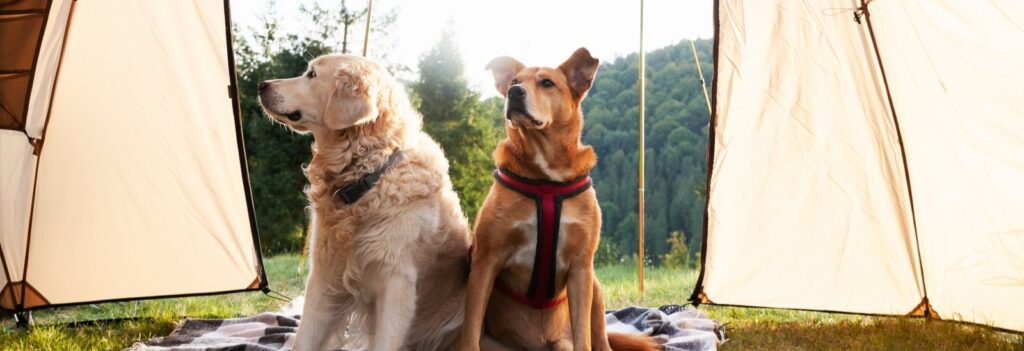
- Do I have to get pet insurance?: No, but pet insurance makes emergency vet costs less steep.
- Where can my pet go?: National parks, state forests and reserves, and caravan parks all restrict your pet, but they have free rein.
- Health, safety, and travel rules: Your pet needs vehicle restraints, parasite prevention, and up-to-date ID when they travel.
There’s nothing better than getting out into the great outdoors with your furry friend. But though it can be a lot of fun, you know that there are a lot of pests out there and hazardous conditions that can potentially harm your pooch or puss. If your pet does get sick or injured, you’ll have to go to an unfamiliar vet. Is this expensive? Is there anything you have to do to prepare your pet for the campsite?
Do I have to get pet insurance?
No. Pet insurance is technically optional and not a legal requirement. But if your pet does have an unpredictable vet emergency when they’re far away from home, having a policy in place for them will mean you avoid expensive vet bills if an emergency, illness, or injury does occur. All you have to pay in this situation is the excess.
Where can my pet go?
National parks:
If you visit national parks, these spaces are usually strictly off limits to cats and dogs, for the purpose of protecting native flora, fauna, and animals. If your dog or cat is found to endanger any wildlife, you can incur a fine that exceeds $1500 – and this is per pet.
To find the most pet-friendly places to stay in Australia, why not use the filters on our site? Or, check out our article on pet-friendly caravan parks in NSW.
State forests and reserves:
If you plan to bring your dog or cat along to a state forest or reserve, you are permitted to get your pet out of the van and let them walk around and check things out to their heart’s content. The only stipulation is, your pooch or puss has to stay on their lead. You don’t want them running off chasing any animals.
Caravan parks:
And what about when it comes to parking on the caravan park itself? In this case, many parks in Australia are pet friendly, at least during certain months of the year. A pet-friendly caravan park may require you to keep your pet within the pet-friendly areas of the camp. Or, you may have to keep your cat or dog in your campervan. Check the information for your chosen campsite to see what specific rules you can expect.
If you’re going to an area where pets aren’t allowed, like a national park, and you want to use a boarding kennel or cattery, bear in mind that you’ll need to bring along physical vaccination records.
Health, safety, and travel rules
Vehicle restraints:
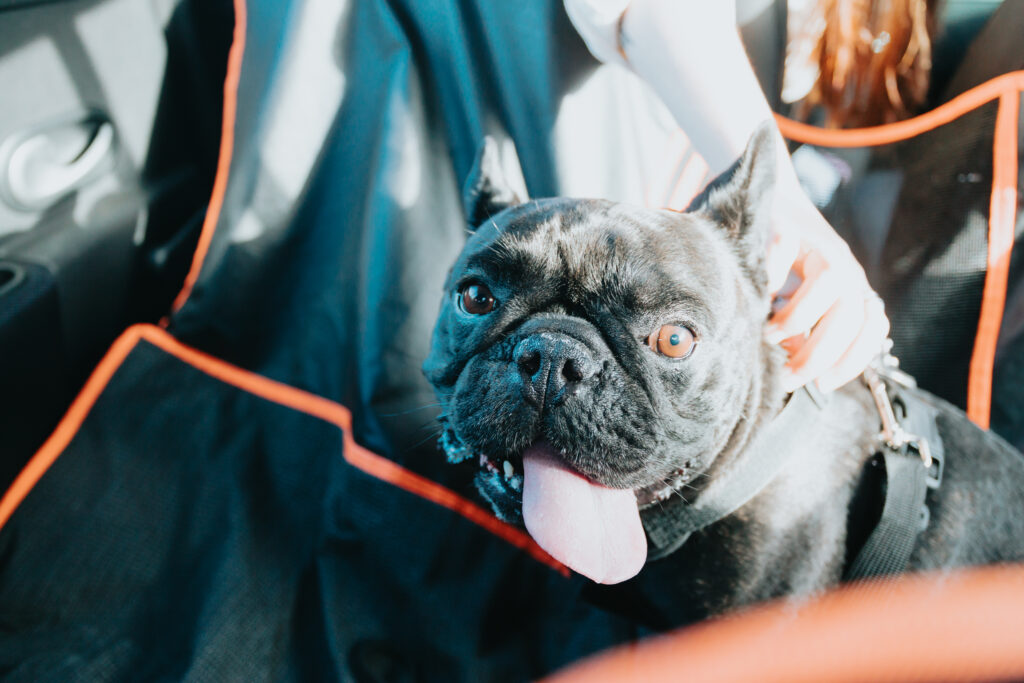
Before you head off to your destination, think about how you’re going to keep your pet secure in your vehicle. In many states and territories of Australia, there are laws against simply driving with your pet on your lap or loose in the caravan. In New South Wales, for example, you’ll need to have your pet either securely harnessed or in a safe pet carrier.
Parasite prevention:
There may not be any specific legal requirements to worry about, but there are still all sorts of pests out there that you don’t want harming your cat or dog.
Paralysis ticks are common along Australia’s east coast, as are fleas, worms and ticks in all areas. You don’t want to have to dash to a vet when you see something unusual on your pet. So, prevention is definitely something you should think about. A flea and tick collar is a good idea, or a spot-on treatment, applied to your pet’s coat. Some campervan parks may even have pet baths where you can use a flea or tick shampoo, should you need to. You just don’t want these treatments getting into waterways, should you go swimming with your pet.
Also, if you’re travelling into Tasmania, your pet needs specific hydatid tapeworm treatment within 14 days. Tell your vet about your travel plans, and they can recommend the best treatment options.
ID and microchips:
It’s the law that your pet has to have a microchip and ID. But did you know that the microchip registries can actually vary state by state? This makes your pet’s collar ID tag a little more important. When you travel with your pet, be sure to update their collar tag with the mobile number you’ll be using on the road. A QR code pet tag is a handy option if you’ll be updating details often on your travels. Check that their collar is snug and secure too – you don’t want it slipping off.
Unattended rules:
Every caravan park is different, but most parks don’t let you leave a pet inside your van or tied up by themselves. When you go sightseeing, you’ll need to make alternative arrangements for your pet. Some travellers say that at the reception or main building of certain attractions, they’ve found a staff member willing to look after a pet or two on extra-hot days, but this isn’t a given.
Find your local holiday park here and head out on your pet-friendly camping adventure!